
HOW A PROJECT MAY TAKE SHAPE
SCOPE BEFORE
ASSUMPTIONS.
Four practical examples of how a facility question can become a defined advisory engagement with usable deliverables.
ILLUSTRATIVE ENGAGEMENTS
The following scenarios illustrate how an engagement may be structured. They are not client case studies, testimonials or promises of results. Actual scope and deliverables are confirmed in writing.

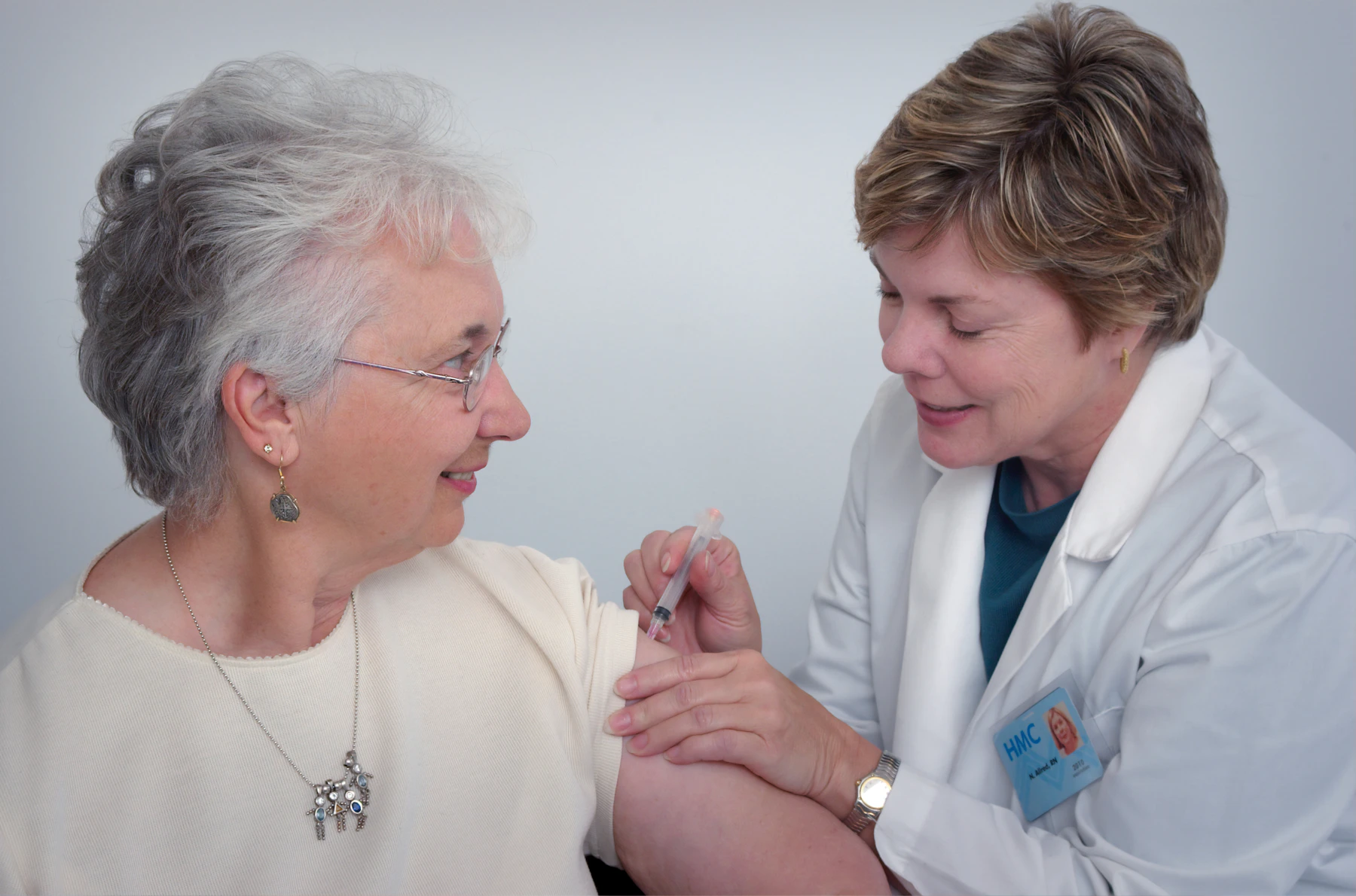
01 / HEALTHCARE
MULTI-SITE
PROGRAM ALIGNMENT.
Situation
Several locations use different routines, records and handoffs. Leadership needs a shared baseline without ignoring site-specific conditions.
A possible engagement
Review existing SOPs and sample records, interview key roles, compare locations remotely and use selected on-site observation when it adds necessary context.
Possible outputs
- Current-state and risk summary
- Shared core SOP with site-specific appendices
- Role-responsibility matrix and prioritized rollout plan
- Follow-up review checklist
02 / EDUCATION
ROUTINE
PROGRAM REFRESH.
Situation
Shared spaces, varied schedules and staff turnover have made an older procedure difficult to apply consistently across the workday.
A possible engagement
Map spaces, touchpoints, timing and responsibility; update the operating procedure; then prepare role-based implementation support.
Possible outputs
- Area and touchpoint schedule
- Updated routine hygiene SOP and job aids
- Supervisor briefing and training record template
- Initial implementation review
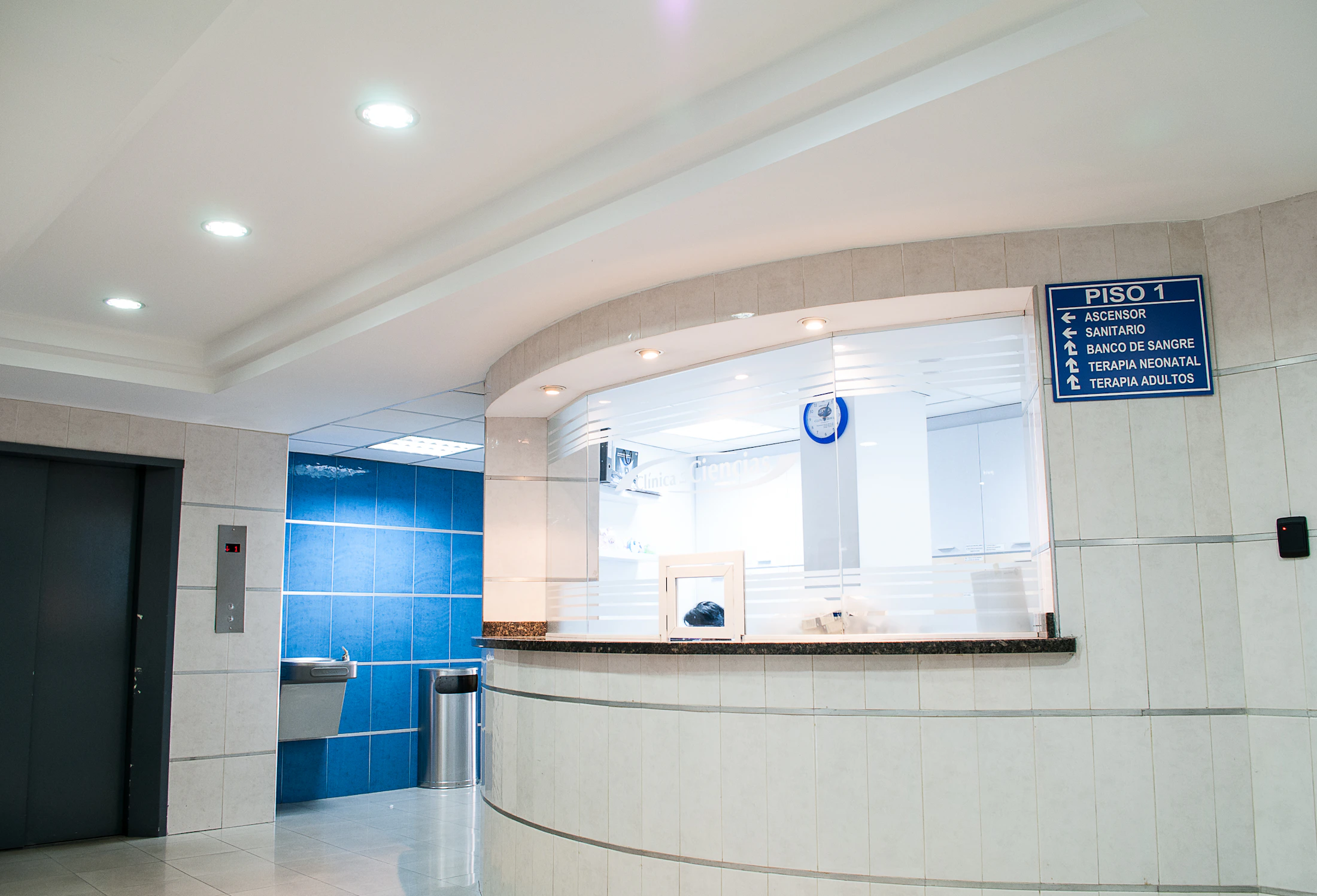
03 / PUBLIC FACILITY
NEW OR
CHANGED SPACE.
Situation
A facility is opening, expanding or changing use. Teams need clear ownership and an operating reference before routine activity begins.
A possible engagement
Review plans and proposed workflows, identify priority hygiene questions, and define responsibilities, records and launch-stage checks.
Possible outputs
- Pre-opening environmental hygiene risk register
- Prioritized closeout and launch checklist
- Responsibility map and operating procedures
- Post-opening follow-up questions
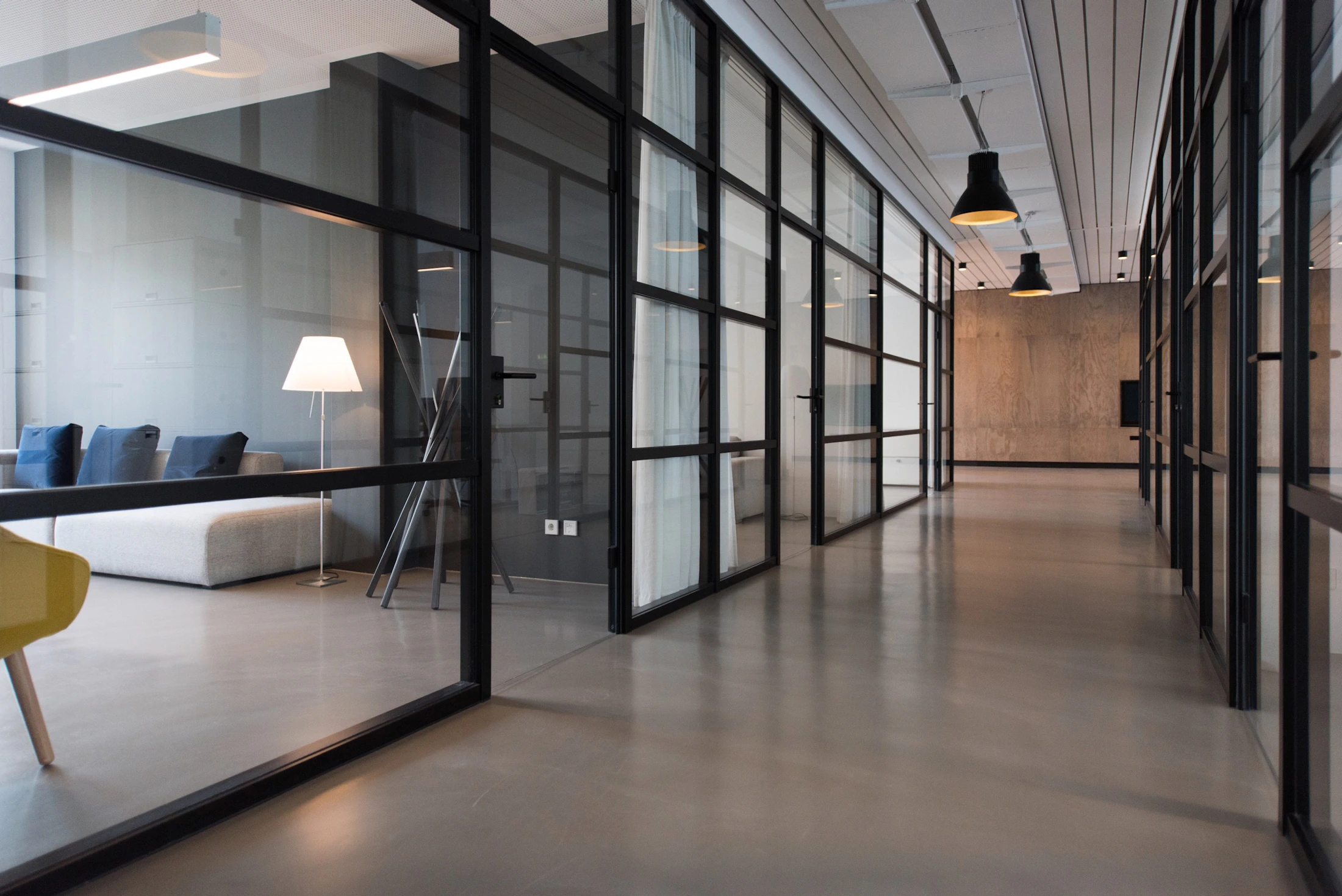
04 / COMMERCIAL
MULTI-VENDOR
HANDOFFS.
Situation
Internal teams and service providers work from overlapping scopes, while exceptions and completion records are handled differently by location.
A possible engagement
Compare service scopes and facility expectations, trace handoffs and exceptions, and establish a clearer review rhythm for management.
Possible outputs
- Scope and handoff gap review
- Exception and escalation procedure
- Verification checklist and record expectations
- Management review summary
DP BIO INDUSTRY CASE REVIEWS
LESSONS FROM REAL FACILITIES.
DP Bio reviews these attributed public examples to highlight how environmental hygiene programs have been implemented in real facilities. They are industry learning resources—not DP Bio projects, testimonials or proof of comparable results.
Patient-room cleaning improvement
In Ecolab’s published case concerning Gillette Children’s, the hospital used a standardized patient-room program, staff training and fluorescent-marker monitoring to strengthen high-touch surface cleaning and feedback.
PUBLISHER-REPORTED RESULT
Ecolab reports a 65% reduction in healthcare-associated infections, improved high-touch cleaning and $133,000 in annual cost avoidance.
READ THE ECOLAB CASEHigh-touch surface management in schools
In CloroxPro’s published study involving Broken Arrow Public Schools, one elementary school added a daily disinfection layer to routine manual cleaning. The study sampled high-touch surfaces across nine rooms, including classrooms, the cafeteria, restrooms and the nurse’s station.
PUBLISHER-REPORTED RESULT
CloroxPro reports that post-treatment surface sampling reduced bacteria to near zero, including on difficult high-touch points such as door handles.
READ THE CLOROXPRO CASEConsistent hygiene systems across airports
In GBAC’s published case concerning the Port Authority of New York & New Jersey, five airports used a common framework to review the passenger journey, align hygiene practices and strengthen the way training, documentation, audits and inspections were managed across facilities.
DOCUMENTED PROGRAM CHANGE
The published case describes standardized risk assessments, consolidated critical records, staff-training evaluation and more consistent monitoring.
READ THE GBAC CASECleaning-program alignment across a hotel network
In Ecolab’s published customer story, Wyndham Hotels & Resorts and Ecolab reexamined cleaning protocols for U.S. and Canadian guestrooms and public spaces while simplifying cleaning and laundry programs across a large franchise network.
PUBLISHER-REPORTED RESULT
Ecolab reports $10 million in total value delivered, alongside labor, water, energy and waste reductions across the broader program.
READ THE ECOLAB STORYNames, program descriptions and figures belong to the organizations and publishers identified above. DP Bio has not independently verified the publishers’ reported outcomes. Inclusion does not imply affiliation or endorsement.
FROM EXAMPLE TO WRITTEN SCOPE
DEFINE THE QUESTION.
THEN DEFINE THE WORK.
A proposal should identify the facility or locations, the question to be addressed, information to be reviewed, planned activities, deliverables, timing assumptions and responsibilities. Work begins only after the scope and project terms are agreed.
These examples describe advisory work only. They do not represent a regulatory inspection, certification, accreditation or compliance approval.
DISCUSS YOUR FACILITY